The Role of AI in personalized learning
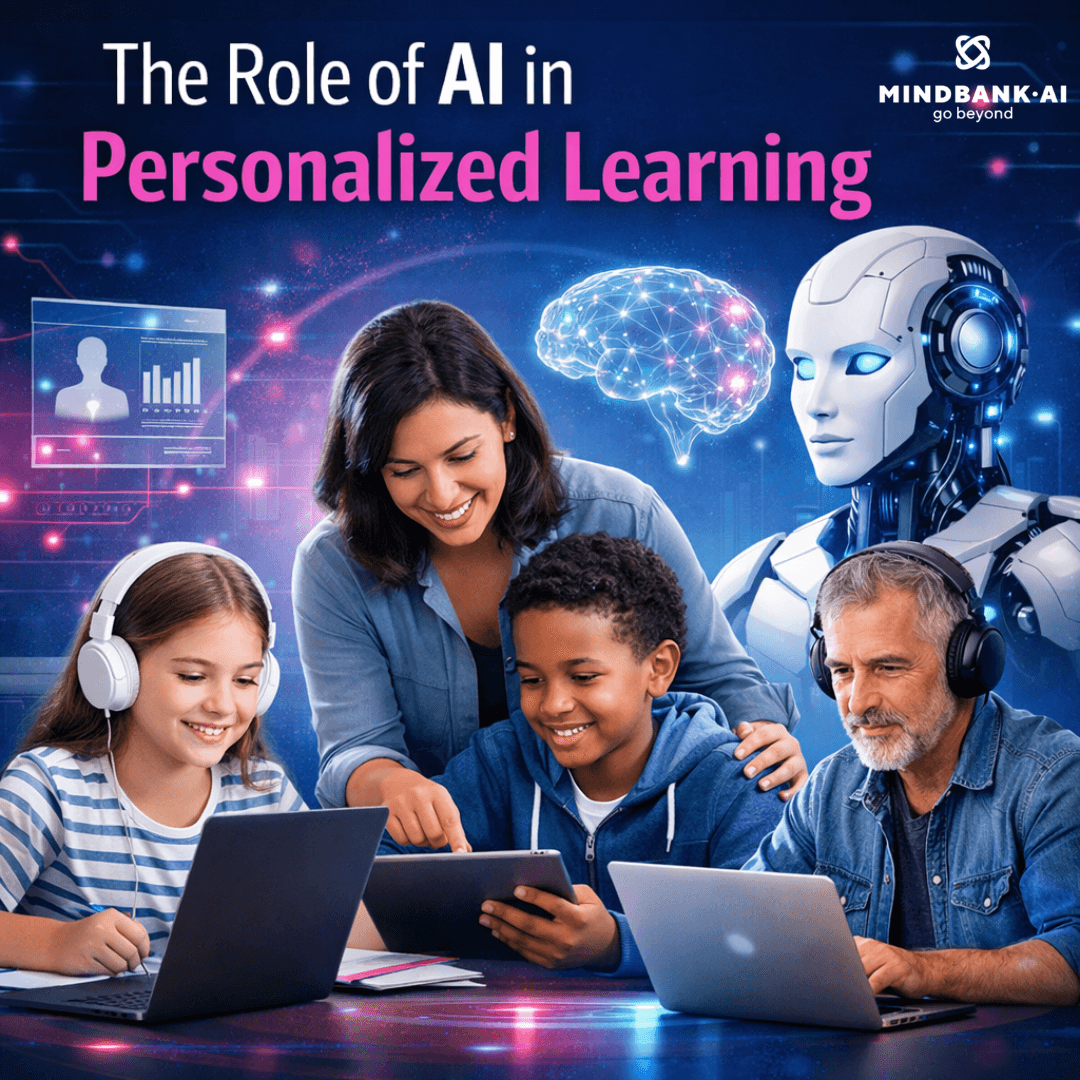
How Artificial Intelligence Enables Personalized Education by Adapting Lessons, Feedback, and learning paths to individual students.
Artificial intelligence is transforming many aspects of education, and one of its most powerful contributions is the ability to support personalized learning. Traditional education systems often follow a standardized structure where all students receive the same lessons, move through the curriculum at the same pace, and complete the same assignments. While this approach can be efficient for managing classrooms, it does not always meet the needs of individual learners.
Every student learns differently. Some students understand new concepts quickly, while others require more time and additional explanations. Some prefer visual learning materials, while others benefit more from reading or practicing exercises. Artificial intelligence makes it possible to adapt the learning experience to each student’s unique needs, helping create more effective and engaging educational environments.
Personalized Learning Through AI Systems
Today, personalized learning powered by artificial intelligence is becoming increasingly common in schools, universities, and online learning platforms. AI systems analyze student performance, track learning progress, and provide recommendations that help students follow individualized learning paths. Instead of forcing all students to learn in the same way, AI allows education to become more flexible and adaptive.
Adaptive learning systems play a key role in this transformation. These systems analyze how students interact with educational content, collecting data such as accuracy, time spent on tasks, and areas of difficulty. Based on this information, the system adjusts the learning experience in real time. Students who struggle with a concept receive additional support, while those who grasp it quickly can move on to more advanced material. This ensures that each student learns at a pace that suits their abilities.
AI Support, Engagement, and the Role of Teachers
AI tutoring systems further enhance personalized learning by acting as digital assistants that provide immediate feedback and guidance. Unlike traditional tutoring, which can be limited by time and cost, AI tutors are available anytime. They help students understand difficult concepts, practice skills, and receive tailored explanations based on their responses.
Artificial intelligence also enables the creation of individualized learning paths. Instead of following a fixed curriculum, students can progress through content based on their strengths and weaknesses. This approach allows them to focus on areas that need improvement while continuing to develop their existing skills.
Teachers benefit as well. AI systems provide valuable insights into student performance, helping educators identify patterns, detect learning difficulties early, and adjust their teaching strategies. Rather than replacing teachers, AI supports them by providing data-driven recommendations, while teachers continue to offer guidance, motivation, and human understanding.
At the same time, personalized learning improves student engagement. When students receive material that matches their level, they are more likely to stay motivated. AI helps maintain a balance by ensuring that content is neither too difficult nor too easy, allowing students to build confidence and experience a sense of progress.
AI also contributes to more inclusive education. Tools such as speech recognition and text-to-speech technologies provide alternative ways for students with different learning needs to engage with content, making education more accessible to a wider range of learners.
Challenges and Future Potential
Despite its advantages, the use of artificial intelligence in education must be approached responsibly. Protecting student data and ensuring ethical use of technology are essential. Additionally, students must continue to develop independent thinking skills, as AI should support learning rather than replace effort.
Looking ahead, AI-powered personalized learning is expected to become even more advanced. As technologies improve, educational systems will better understand how individuals learn and adapt accordingly.
In conclusion, artificial intelligence offers a powerful opportunity to transform education. By combining AI-driven insights with the expertise of teachers, learning can become more flexible, inclusive, and tailored to each student—ensuring that everyone has the opportunity to succeed.