AI and the Changing Role of Teachers in Modern Education
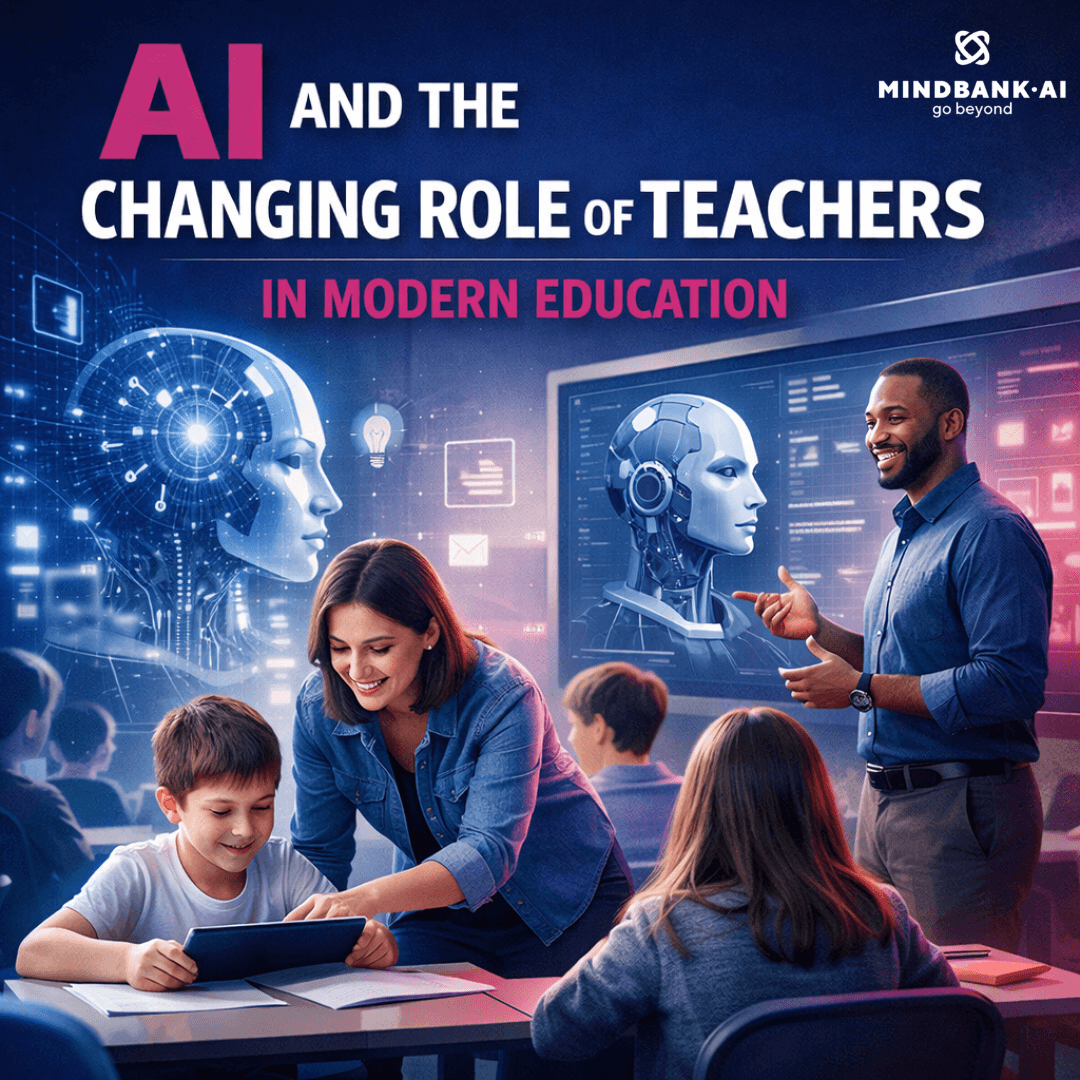
The Evolving Role of Teachers in an AI-Powered Education System Where Technology Supports Teaching, Learning Insights, and Classroom Innovation
AI Transforming the Role of Teachers
Artificial Intelligence is rapidly transforming the education landscape, influencing not only how students learn but also how teachers work. For centuries, the traditional role of teachers was centered on delivering knowledge, explaining concepts, and evaluating student performance. While these responsibilities remain important, the introduction of artificial intelligence is expanding and reshaping what it means to be an educator in the modern classroom.
AI as a Valuable Resource for Teachers
Today, AI for teachers is becoming an increasingly valuable resource in schools, universities, and online learning environments. Artificial intelligence is not replacing teachers; instead, it is providing tools that help educators become more efficient, informed, and responsive to the needs of their students. By automating repetitive tasks and providing detailed insights into student performance, AI allows teachers to focus more on mentoring, guiding, and supporting students.
The Shift from Knowledge Providers to Learning Facilitators
As education systems adopt new technologies, teachers are gradually transitioning from being the primary source of information to becoming facilitators of learning. In an era where information is easily accessible online, the role of teachers is evolving toward helping students understand how to analyze information, think critically, and apply knowledge in meaningful ways.
AI-Powered Support Tools in Education
One of the most significant ways AI is changing education is through the development of advanced education support tools. Teachers often spend a large portion of their time on administrative tasks such as grading assignments, tracking attendance, organizing learning materials, and preparing lesson plans. While these tasks are necessary, they can reduce the time teachers have available for direct interaction with students.
Artificial intelligence can help automate many of these responsibilities. For example, AI-powered grading systems can evaluate quizzes and exams quickly and efficiently. Some platforms can even analyze written responses and provide suggestions for feedback. These tools allow teachers to review assignments more efficiently and dedicate more time to teaching and student engagement.
In addition to grading, AI-powered systems can assist with lesson planning and classroom organization. Some educational platforms can generate quizzes, suggest teaching materials, or recommend learning activities based on the curriculum and the level of the students. These tools help teachers prepare lessons more efficiently while maintaining high educational standards.
Intelligent Classroom Technology and Learning Insights
Another important change brought by artificial intelligence is the growth of intelligent classroom technology. Modern classrooms increasingly incorporate digital platforms that use AI to track student participation, engagement, and academic progress.
For example, learning management systems powered by AI can analyze how students interact with course materials. These systems can detect which topics students struggle with, how long they spend on certain exercises, and which assignments generate the most engagement.
This information provides teachers with valuable insights into the learning process. Instead of relying only on exams or periodic assessments, teachers can monitor student progress continuously and identify problems early.
These insights allow educators to adjust their teaching strategies and provide additional support where needed. If several students struggle with the same concept, teachers can revisit the topic or present the material in a different way.
Improving Teacher Productivity with AI
Artificial intelligence is also helping improve teacher productivity. Many educators manage large classrooms with dozens of students, making it difficult to track each student’s progress individually. AI systems can analyze large amounts of data and highlight patterns that might otherwise be difficult to detect.
For instance, an AI platform may identify students who show signs of disengagement or declining performance. Teachers can use this information to intervene early and provide additional guidance before the situation worsens.
By reducing administrative workload and providing meaningful insights, AI enables teachers to focus on more important aspects of education such as mentoring, discussion, and creative teaching methods.
The Role of Teachers in Personalized Learning
Another important aspect of AI in education is its ability to support personalized learning. While AI systems analyze student data and suggest personalized learning paths, teachers remain responsible for guiding students through these experiences.
Teachers play a critical role in interpreting the insights provided by AI systems and applying them in ways that support student development. Technology can provide data, but human educators understand the emotional, social, and motivational factors that influence learning.
For example, an AI system might detect that a student is struggling academically, but a teacher can identify whether the issue is related to stress, lack of motivation, or external factors. This human perspective remains essential for creating supportive learning environments.
Innovation in Teaching Methods with AI
Artificial intelligence also allows teachers to experiment with new teaching methods and interactive learning activities. With administrative tasks reduced, educators have more time to design creative lessons that encourage collaboration, problem-solving, and critical thinking.
For example, teachers can use AI tools to create simulations, interactive exercises, or digital discussions that engage students more actively than traditional lectures.
These innovations help shift the focus of education from passive learning toward more active and collaborative learning experiences.
The Irreplaceable Human Role of Teachers
Despite the many advantages of AI, it is important to remember that technology cannot replace the human qualities that teachers bring to education. Teachers provide emotional support, motivation, and inspiration that technology cannot replicate.
They help students build confidence, develop social skills, and learn how to collaborate with others. These human aspects of education are essential for personal development and cannot be replaced by algorithms.
The Future: Collaboration Between Teachers and AI
For this reason, the future of education will likely involve a partnership between teachers and intelligent technologies. Artificial intelligence will assist with data analysis, automation, and personalized recommendations, while teachers will focus on guiding students intellectually and emotionally.
As AI continues to evolve, educational institutions will need to support teachers in adapting to these new technologies. Professional development programs can help educators learn how to use AI tools effectively and responsibly.
Teachers who understand how to integrate artificial intelligence into their classrooms will be better equipped to create engaging and effective learning environments.
Redefining the Role of Teachers
Ultimately, artificial intelligence is not changing the role of teachers by replacing them. Instead, it is redefining their role and giving them new tools that enhance their ability to teach, guide, and inspire students.
By combining human expertise with intelligent technology, education can become more adaptive, efficient, and responsive to the needs of modern learners.